
Calibration Targets & Fixtures
Calibration Targets and Camera Fixtures
The pitch and accuracy of a target, and the datum of a fixture, set how well a measurement system can be calibrated. We work out the specification from your camera and field of view, then have it made by a partner manufacturer; the quotation explains how the specification was derived. Country of origin: Taiwan.
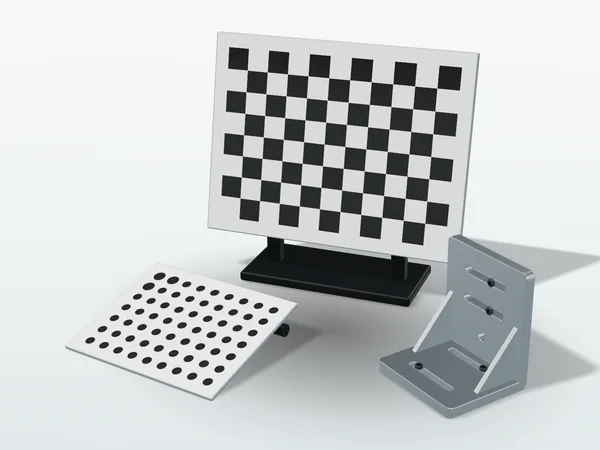
Items
| Item | Use | How the specification is set |
|---|---|---|
| Checkerboard target | Camera intrinsic and lens distortion calibration, hand-eye calibration | Number of squares and pitch set by field of view and pixel size |
| Circle-grid target | Camera calibration, backlit measurement | Dot diameter and pitch set by resolution and lighting |
| Resolution test chart | Verifying the real resolution of a lens and camera | Line-pair frequency range set by pixel size and magnification |
| Camera and lens mount | Fixing working distance and viewing angle | Designed around the camera interface and available space |
| Light bracket | Fixing lighting angle and distance | Designed around the light type and lighting geometry |
| Part locating fixture | Placing every part in the same position | Designed around the part shape and cycle time |
Why we calculate first
If a target is too small, each square covers only a few pixels, corner or centroid detection becomes unstable, and the calibration drifts with it; if it is too large, it no longer fits in the field of view. Target size therefore has to be worked back from pixel size, focal length and working distance. The method is explained in our articles on working out the lens focal length and five questions to ask before adopting AOI.
What to include in a quote request
- Sensor size and pixel size, or the camera model
- Lens focal length or required field of view, and the working distance
- Purpose: camera calibration, dimensional measurement or resolution verification; front lighting or backlight
- For fixtures: part drawings or photos, and the available mounting space
- Quantity and required delivery date
Related products
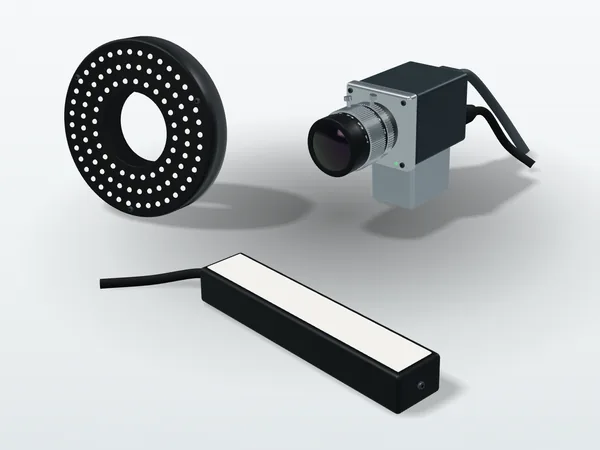
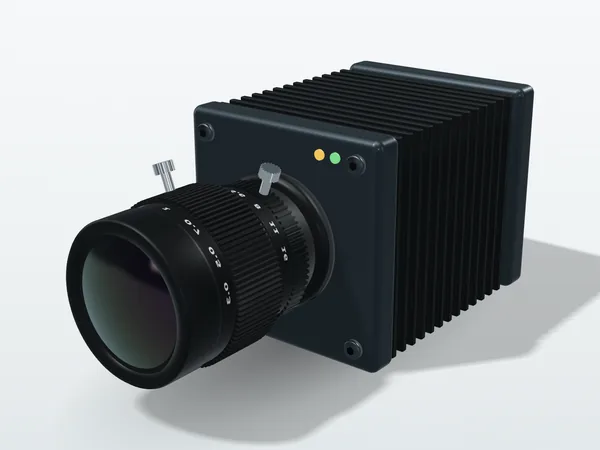
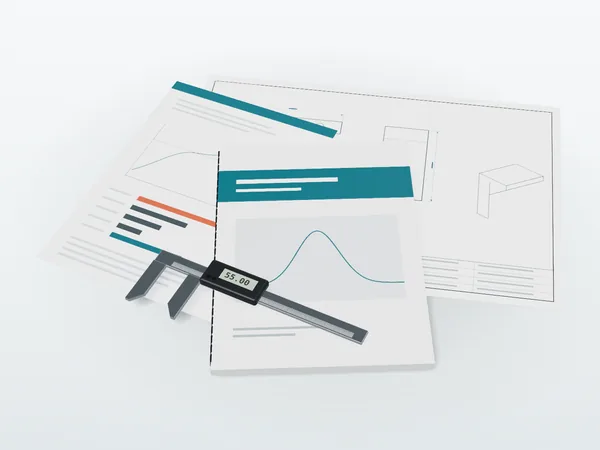
Original illustration, not a product photo. Actual appearance varies by model.
Not sure how large the target should be?
Tell us your camera and lens; we will size the target before quoting.